
When it comes to custom T-shirt printing, the two most popular methods are direct-to-garment (DTG) and heat transfer. Each method has its own advantages, disadvantages, and ideal uses.
In this article, we'll explain everything in simple terms.
What is DTG printing?
Direct-to-garment (DTG) printing is a method where a digital printer applies water-based ink directly to fabric. Think of it like using an inkjet printer, but printing on clothing instead of paper. The ink used in DTG is absorbed by the fabric fibers of the garment, resulting in high-resolution prints that capture fine details and gradients.
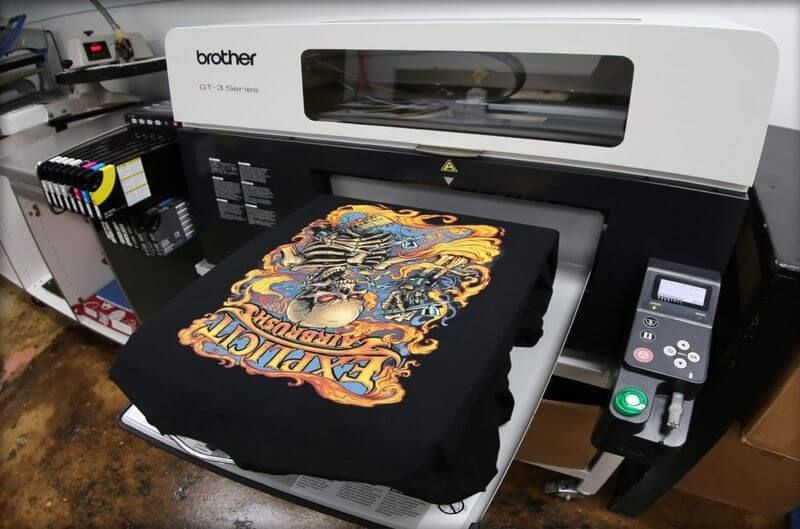
Key Features of DTG:
- Best Materials: Best suited for 100% cotton or cotton blends. Natural fibers absorb DTG inks more effectively, ensuring vibrant, long-lasting prints.
- Design Flexibility: Ideal for intricate artwork, colorful designs, and photo-quality images. Soft Touch: Because the ink penetrates the fabric rather than sitting on the surface, DTG prints create a soft, breathable effect.
- Low Setup Cost: Without screens or transfers, DTG is economical for small runs and one-off designs.
- DTG is particularly popular with small businesses, online shops, and artists who want to offer high-quality, custom-printed apparel without the hassle of bulk orders.
What is Heat Transfer Printing?
Heat transfer printing involves printing a design onto special transfer paper or vinyl, then transferring it to the fabric using heat and pressure. The heat causes the ink or vinyl to adhere to the garment.
Key Features of Heat Transfer Printing:
Material Flexibility: Suitable for a wide range of materials, including polyester, nylon, canvas bags, and blends.
Durable for Specific Applications: Heat Transfer Vinyl (HTV) is highly durable and can be used to print logos, numbers, and letters.

- Vibrant Colors: Designs printed using dye-sublimation or specialized transfer techniques can be extremely vibrant and eye-catching.
- Texture Variation: Depending on the transfer type, the printed image may appear slightly raised or rubbery, compared to the softer feel of digitally printed (DTG) prints.
- Best for Simple Designs: Heat transfers are often used to print bold, solid-color graphics, text, or custom names and numbers on sportswear.
Which printing method should you choose?
To determine whether digitally printed (DTG) or heat transfer is right for you, ask yourself the following questions:
- What fabric will I be printing on?
Cotton apparel → Choose digitally printed (DTG).
Polyester, nylon, canvas bags → Choose heat transfer. - What kind of design do I need?
High detail, photo-quality, multiple colors → Digitally printed (DTG).
Simple logos, text, numbers → Heat transfer. - How many pieces do I need?
Small runs or one-offs → Digital prints.
Large runs or team uniforms → Heat transfer. What do I prioritize—comfort or a striking visual effect?
Whether you’re running a school event, organizing a corporate promo, or just need fresh merch that stands out — we’ve got you covered.. Popod’s here to make custom shirts easy!